

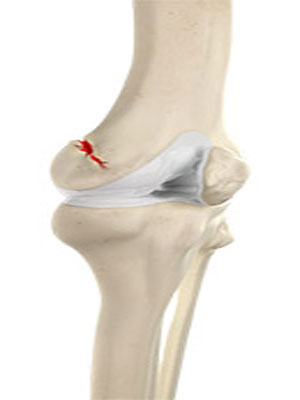
Bone Fracture Evaluation & Treatment
A bone fracture is a break or crack in a bone that disrupts its normal structure and function. Fractures most commonly result from trauma such as falls, sports injuries, or motor vehicle accidents, but may also occur in weakened bone due to conditions like osteoporosis.
Fractures can be partial or complete and range from stable, non-displaced injuries to complex fractures requiring urgent orthopedic care. Older adults face increased fracture risk due to reduced bone density, while athletes and active individuals may develop stress fractures from repetitive overuse.
Prompt evaluation and early treatment are critical for proper healing, restoring function, and preventing long-term complications. Walk-in orthopedic care with on-site digital X-ray allows for fast diagnosis and immediate treatment—often avoiding unnecessary emergency room visits.
Types of fractures
Simple fracture: The fractured pieces of bone are well aligned and stable
Unstable fracture: the fragments of the broken bone are misaligned and displaced
Open (compound) fracture: A severe fracture in which the broken bones protrude through the skin. This type of fracture is more prone to infection and requires immediate medical attention.
Greenstick fracture: A fracture unique to children, where one side of the bone is broken while the other is bent
Fracture Healing
When a bone fractures, the body immediately begins a natural healing process to protect and repair the injured area. First, a blood clot (hematoma) forms around the fracture site, stabilizing the bone and preventing further injury. This is followed by the development of a soft callus, made of fibrous tissue and cartilage, which acts as a temporary bridge between the broken bone ends.
Next, new bone cells (osteoblasts) begin forming on both sides of the fracture line. These cells grow toward each other, gradually replacing the soft callus with hard bone. Over time, this new bone strengthens and remodels, restoring the bone’s normal shape and function and ultimately closing the fracture.
Casting for Fractures
Casting is commonly used to treat fractures that are displaced, shortened, or angulated. A cast or splint helps stabilize the broken bone, maintain proper alignment, and support proper healing.
Splints and casts are typically made from fiberglass or Plaster of Paris (POP). These materials are designed to immobilize the injured limb, reduce pain and swelling, and protect the fracture during recovery.
Our clinic provides on-site fracture casting and splinting, allowing patients to receive timely, comprehensive orthopedic care without the need for outside referral. Casting is a proven, effective treatment for many types of bone fractures, helping ensure safe healing while minimizing the risk of further injury.
Rehabilitation
Fractures may take several weeks to months to heal completely. You should limit your activities even after the removal of the cast or brace so the bone becomes solid enough to bear stress. Rehabilitation programs involve exercises and a gradual increase in activity levels until the process of healing is complete.